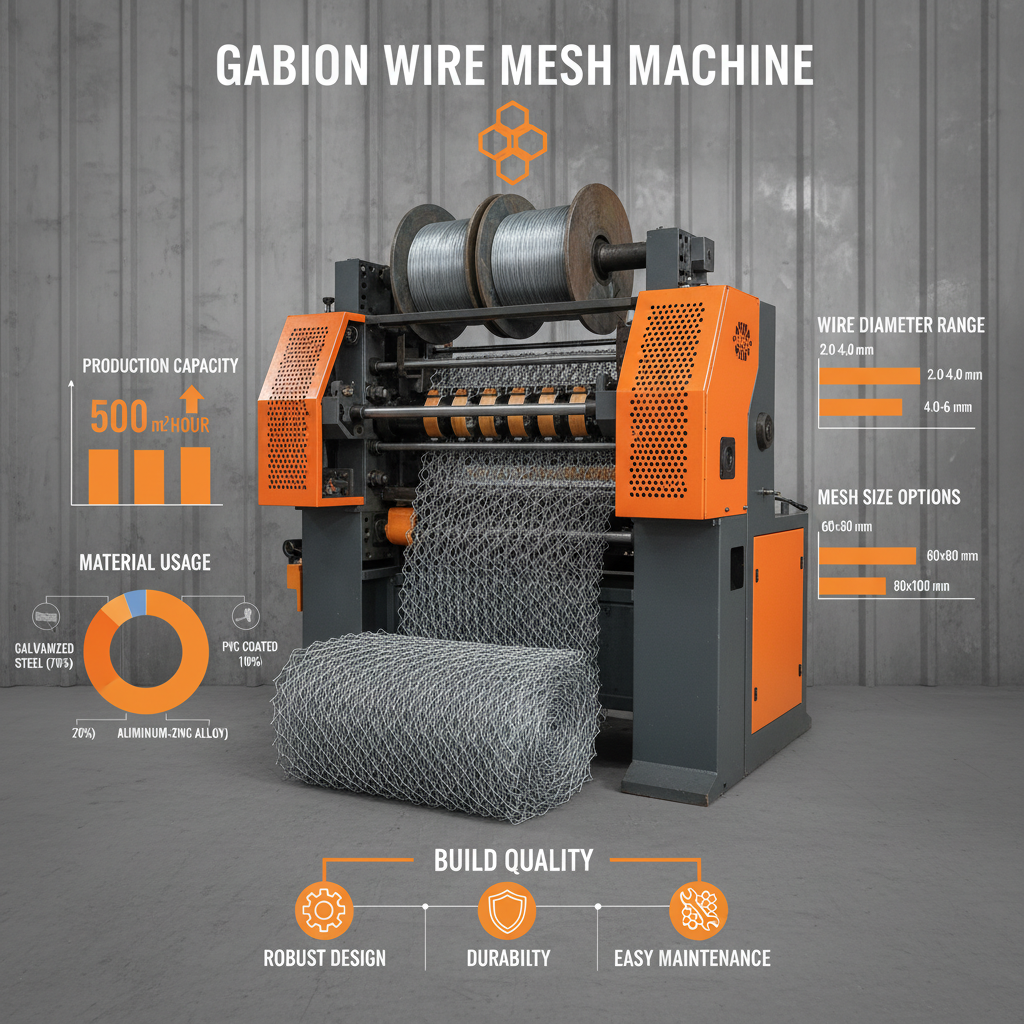
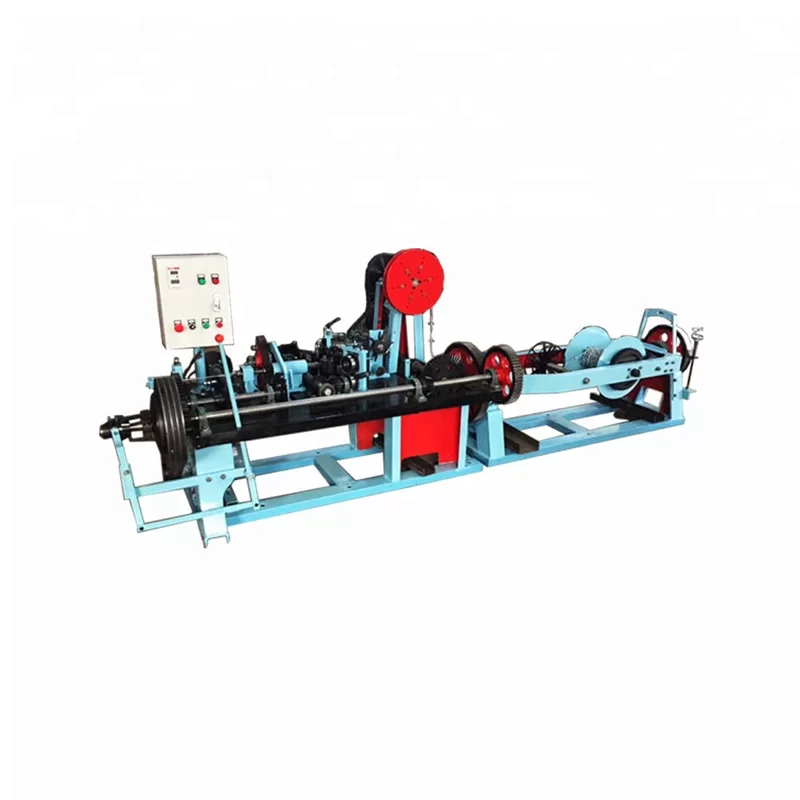
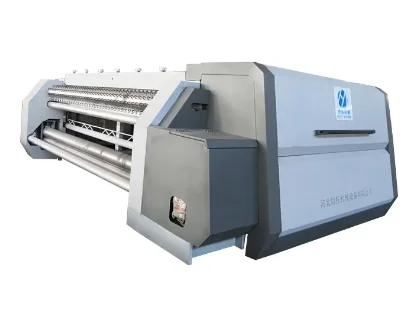
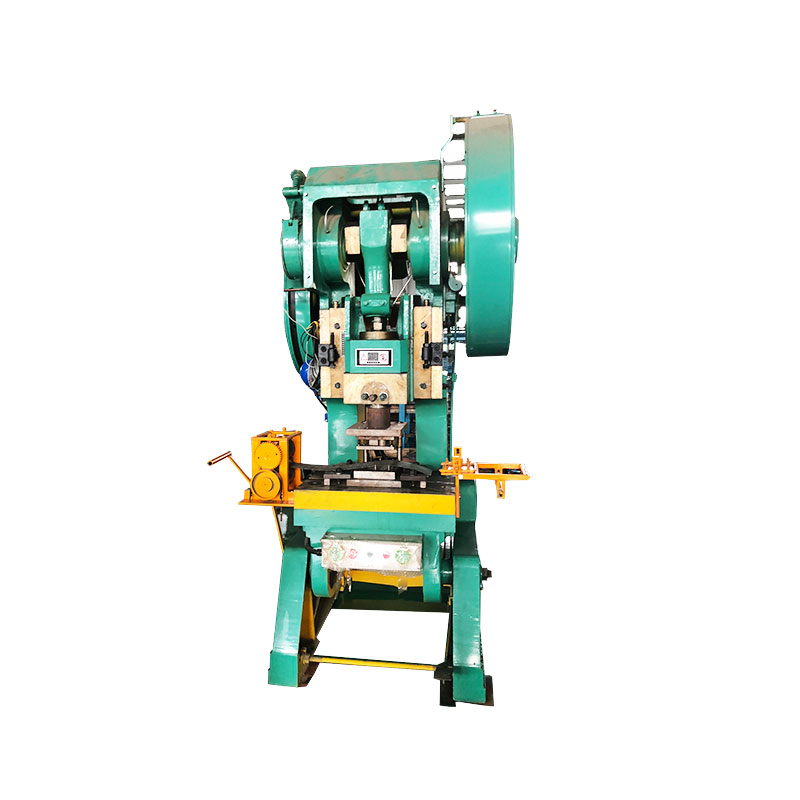
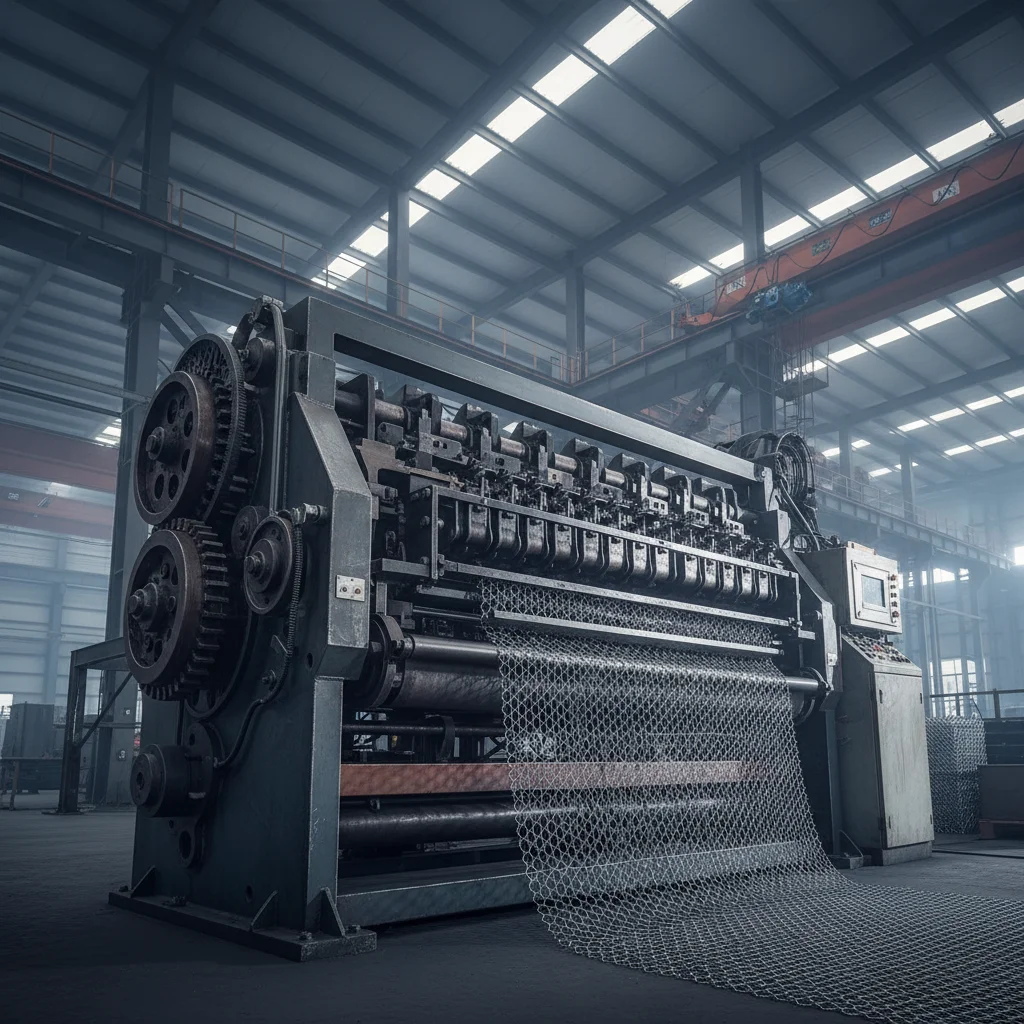
In the realm of modern civil engineering and erosion control, the gabion wire mesh machine stands as a cornerstone of sustainable infrastructure. These specialized industrial systems are designed to weave high-strength, durable wire cages that, when filled with stone, provide flexible and permeable gravity retaining walls. As global urbanization increases, the demand for reliable soil stabilization and flood defense mechanisms has propelled the importance of precision machinery in producing consistent, high-quality gabion structures.
The global shift toward "green" engineering has placed the gabion wire mesh machine at the center of ecological restoration projects. Unlike solid concrete walls, gabions allow for natural water drainage and encourage vegetation growth, making them an environmentally superior choice for riverbank protection and landslide prevention. Understanding the mechanical intricacies of these machines allows manufacturers to optimize production speeds while maintaining the rigorous tensile strength required for international safety standards.
Investing in a high-performance gabion wire mesh machine is not merely about purchasing equipment; it is about adopting a solution that addresses the critical intersection of infrastructure durability and environmental stewardship. By automating the weaving process, industries can rapidly scale their output to meet the needs of massive government tenders and private construction projects, ensuring that the resulting mesh is resistant to corrosion and capable of withstanding extreme geological pressures.
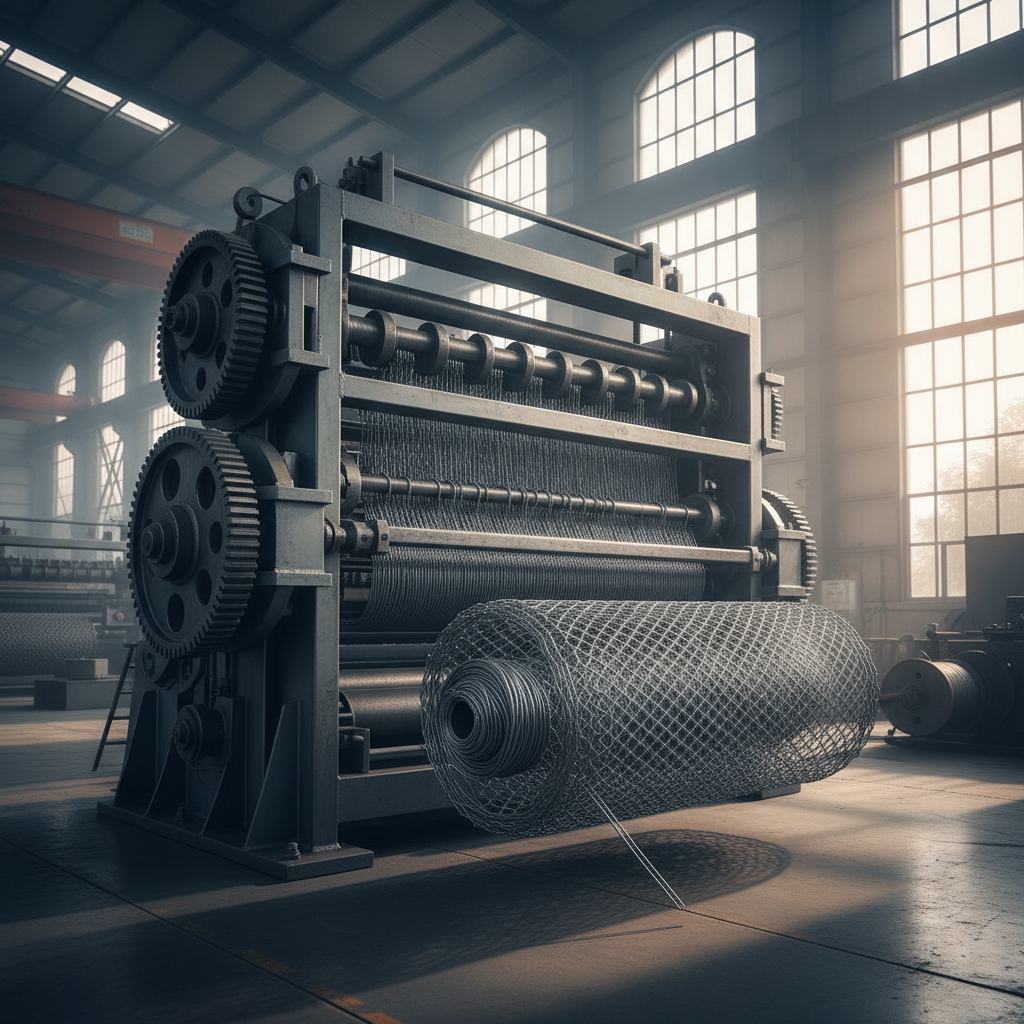
Global Relevance of Gabion Wire Mesh Machine
The global infrastructure landscape is currently facing an unprecedented challenge: the need to build resilient structures in the face of increasing climate volatility. According to reports from the World Bank and ISO standards for geotechnical engineering, the reliance on rigid concrete is decreasing in favor of flexible systems. The gabion wire mesh machine addresses this by producing the very fabric needed for adaptable embankments that can shift with the earth without cracking.
In regions prone to seismic activity or heavy seasonal flooding, such as Southeast Asia and Sub-Saharan Africa, the deployment of gabion baskets is a life-saving necessity. These machines allow for the localized production of heavy-duty mesh, reducing the carbon footprint associated with transporting bulky pre-cast concrete. Consequently, the industrial capacity to manufacture these machines is now viewed as a strategic asset for national resilience and disaster risk reduction.
Defining the Gabion Wire Mesh Machine in Modern Industry
At its simplest, a gabion wire mesh machine is an automated industrial loom designed specifically for heavy-gauge galvanized or PVC-coated steel wire. Unlike standard fence weaving, these machines must produce a double-twisted hexagonal mesh that prevents the unraveling of the fabric even if a wire is accidentally cut. This unique geometric structure is what gives gabions their legendary strength and stability.
Beyond the mechanical definition, these machines represent a bridge between traditional masonry and modern material science. By utilizing precision tension control and automated cutting systems, the machine ensures that every basket produced has identical dimensions, which is critical for the structural integrity of large-scale retaining walls. This precision eliminates human error, which is often the primary cause of failure in manually woven mesh.
From a humanitarian perspective, the ability to mass-produce gabion mesh allows NGOs and governments to stabilize roads and bridges in remote areas quickly. Because the machines can be calibrated for different wire diameters and mesh sizes, they provide a versatile toolset for engineers to customize their solutions based on the specific gravity and pressure requirements of a given site.
Core Components and Technical Factors
The efficiency of a gabion wire mesh machine depends heavily on its structural durability. High-grade alloy steel components are used in the weaving heads to resist the constant friction and tension of heavy wire, ensuring that the machine can operate for thousands of hours without significant wear and tear, which directly impacts the long-term ROI for the manufacturer.
Scalability is another critical factor. Modern gabion wire mesh machine designs often feature modular components that allow operators to switch between different mesh apertures and wire gauges with minimal downtime. This flexibility allows a single production line to serve both lightweight decorative garden gabions and heavy-duty industrial erosion control systems.
Finally, cost efficiency is achieved through the integration of PLC (Programmable Logic Controller) systems. By automating the start, stop, and cutting cycles, the gabion wire mesh machine reduces waste and labor costs. This precision ensures that the length of each mesh roll is exact, maximizing the yield from every spool of raw wire material.
Practical Global Applications and Use Cases
In real-world contexts, the output of a gabion wire mesh machine is utilized across diverse industries. In the mining sector, these mesh cages are used to stabilize tailings dams and prevent slope failure in open-pit mines. In urban planning, they are frequently employed to create "living walls" that combine structural support with urban greenery to combat the heat island effect.
A poignant example can be seen in post-disaster relief operations. In regions hit by devastating floods, gabions produced by high-speed machines are deployed to create temporary levees and protect critical infrastructure from further erosion. Because the mesh can be transported flat and filled on-site with local stone, it is the most efficient method for rapid stabilization in remote industrial zones or disaster-stricken villages.
Performance Comparison of Gabion Production Methods
Long-Term Advantages and Economic Value
The tangible benefits of utilizing a professional gabion wire mesh machine extend far beyond simple production speed. From a sustainability angle, gabions are highly eco-friendly; they require no cement, reducing the overall CO2 emissions of a construction project. This aligns with global ESG (Environmental, Social, and Governance) goals, making the machine a preferred investment for companies targeting green certification.
Logically and emotionally, there is a sense of trust and safety associated with machine-woven gabions. When a retaining wall is built from mesh produced by a calibrated gabion wire mesh machine, engineers can guarantee the tensile strength of the boundaries. This reliability translates to peace of mind for the communities living behind these walls, knowing that the infrastructure is built to withstand the worst possible geological shifts.
Future Trends and Automation Innovations
The future of the gabion wire mesh machine is inextricably linked to the Industrial Internet of Things (IIoT). We are seeing the emergence of "smart looms" that can monitor wire tension in real-time and automatically adjust the weaving speed to prevent breakage. This digital transformation reduces downtime and allows for remote monitoring of production lines across different global factories.
Material innovation is also playing a huge role. New coatings, such as advanced Zn-Al alloys and high-density polymers, are being integrated into the production process. Modern machines are now designed to handle these diverse materials without compromising the double-twist integrity, ensuring that gabions can last in highly corrosive saltwater environments for over 50 years.
Furthermore, the trend toward total automation is reducing the need for manual intervention in the cutting and bundling phase. Future gabion wire mesh machine systems will likely incorporate robotic arms to fold and bundle the mesh rolls, creating a seamless "wire-to-package" workflow that maximizes throughput and minimizes labor costs.
Overcoming Operational Challenges in Production
One of the primary challenges in operating a gabion wire mesh machine is the management of wire tension. Inconsistent tension can lead to irregular mesh apertures or, worse, the snapping of the wire during high-speed production. Expert operators overcome this by implementing precision tensioning devices and conducting regular calibration of the feeding rollers to ensure a smooth flow of material.
Another common limitation is the wear and tear of the weaving components due to the abrasive nature of galvanized steel. To solve this, industry leaders are utilizing tungsten carbide coatings on the weaving hooks and implementing a predictive maintenance schedule. By replacing parts based on cycle counts rather than failure, manufacturers can avoid costly unplanned outages.
Finally, adapting to different international standards (such as ASTM or EN) can be a hurdle. The solution lies in investing in a gabion wire mesh machine with a flexible PLC interface, allowing the operator to switch between standard presets with a single click, ensuring the product meets the specific regulatory requirements of the target export market.
Technical Comparison of Gabion Production Standards and Solutions
| Challenge Dimension |
Traditional Method |
Automated Solution |
Impact Score (1-10) |
| Wire Tension Control |
Manual Adjustment |
Electronic Sensor Feedback |
9 |
| Production Speed |
Low / Batch Based |
Continuous High-Speed |
10 |
| Mesh Consistency |
Variable Apertures |
Precision Calibrated |
8 |
| Material Waste |
High Cutting Loss |
Optimized PLC Cutting |
7 |
| Maintenance Need |
Reactive Repair |
Predictive Maintenance |
8 |
| Labor Dependency |
High Manual Skill |
Single-Operator Control |
9 |
FAQS
The primary difference lies in the weaving pattern. A gabion wire mesh machine produces a double-twisted hexagonal mesh, which ensures that if a wire is cut, the rest of the mesh remains intact. Standard fence machines typically create a single-twist or welded pattern that lacks the same structural flexibility and unraveling resistance required for stone-filled cages.
Yes, most professional-grade machines are designed with adjustable components. By changing the weaving heads and adjusting the PLC settings, operators can switch between different aperture sizes (e.g., 8x10 cm or 6x8 cm) and wire diameters, allowing for the production of both light-duty and heavy-duty baskets on a single line.
With proper maintenance and the use of high-grade alloy components, a professional machine can last 10-15 years. The key to longevity is a strict predictive maintenance schedule—specifically lubricating moving parts and replacing wearing heads—to prevent the heavy-gauge wire from causing premature structural fatigue to the machine.
Absolutely. Modern high-end systems integrate automatic cutting devices that trigger based on precise length measurements. Some advanced setups even include robotic folding arms that bundle the mesh into manageable rolls, significantly reducing the manual labor required at the end of the production line.
The most common materials are galvanized steel wire and PVC-coated steel wire. High-performance machines are specifically calibrated to handle the slippery nature of PVC coatings without losing tension, ensuring that the double-twist is tight and secure regardless of the coating type used.
To ensure export compliance, invest in a machine with a programmable controller that has built-in presets for ISO, ASTM, and EN standards. Additionally, perform regular quality control tests on the produced mesh, checking for tensile strength and coating thickness to ensure the product meets the destination country's legal requirements.
Conclusion
The gabion wire mesh machine is far more than a piece of industrial equipment; it is a vital tool for building a safer, more sustainable world. By combining mechanical precision with environmental consciousness, these machines enable the creation of infrastructure that works with nature rather than against it. From stabilizing precarious mountain slopes to protecting coastal cities from rising tides, the efficiency and reliability of the produced mesh are paramount to global civil engineering success.
Looking ahead, the integration of AI and IoT into these machines will further optimize production, reducing waste and increasing the accessibility of erosion control solutions. For manufacturers and engineers, the transition toward automated, high-precision weaving is no longer optional but a necessity for staying competitive in a green economy. We encourage you to explore the latest in weaving technology to enhance your production capacity and contribute to a more resilient planet. Visit our website: www.htmeshmachines.com